Most people building their first home in Kerala start the same way: with a Pinterest board of interiors and a rough number in their head for the budget. Both are useful, eventually. But the decisions that actually determine how smoothly the project goes — and how the house performs for the next thirty years — happen earlier, and get far less attention. Here are the five worth getting right from day one.
1. Get the plot right before anything else
A beautiful design can’t fix a difficult plot. Before you commit, have the site properly evaluated for soil quality (it determines your foundation type and cost), water table depth, access road width (narrow lanes can rule out certain construction methods or add cost for material transport), and whether the plot sits in a flood-prone or low-lying area — a serious concern in several parts of Kerala during the monsoon. A short site visit before you buy or before you finalise the design can save you from expensive surprises later.
2. Understand Kerala’s building rules early, not after your design is done
Construction in Kerala is governed by the Kerala Municipal Building Rules (KMBR), and requirements vary by local body — panchayat or municipal corporation. Setback distances from your plot boundary, the number of floors you’re permitted, parking requirements, and rainwater harvesting provisions (mandatory for most residential plots above a certain size) all affect what you can actually build. Getting this clarity before your design is finalised avoids the frustrating, costly experience of redesigning a home that doesn’t meet approval requirements.
3. Set a realistic, monsoon-aware budget — with a real contingency
First-time builders consistently underestimate two things: the cost of “invisible” work, and how much a proper monsoon-ready build adds upfront (and saves later). Budget clearly for:
- Compound wall, gate, borewell or water connection, and electrical connection — often left out of early estimates.
- Waterproofing and roofing done properly the first time, rather than as a repair two years in.
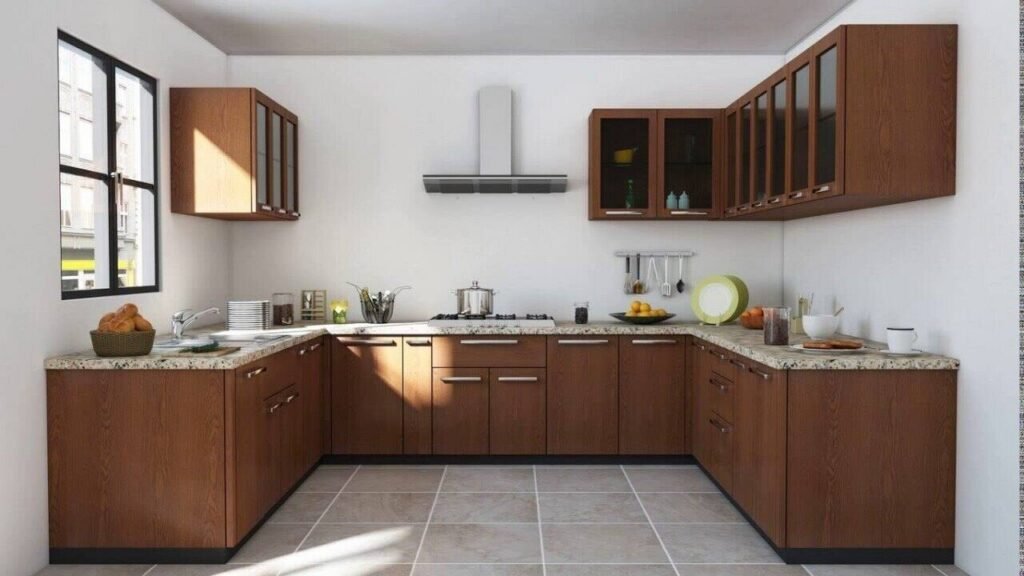
- Interiors and modular fittings, which are frequently budgeted as an afterthought rather than part of the total project cost.
- A contingency of at least 10–15% on top of your construction estimate, for the inevitable adjustments along the way.
4. Design for Kerala’s climate, not just for how it looks in a render
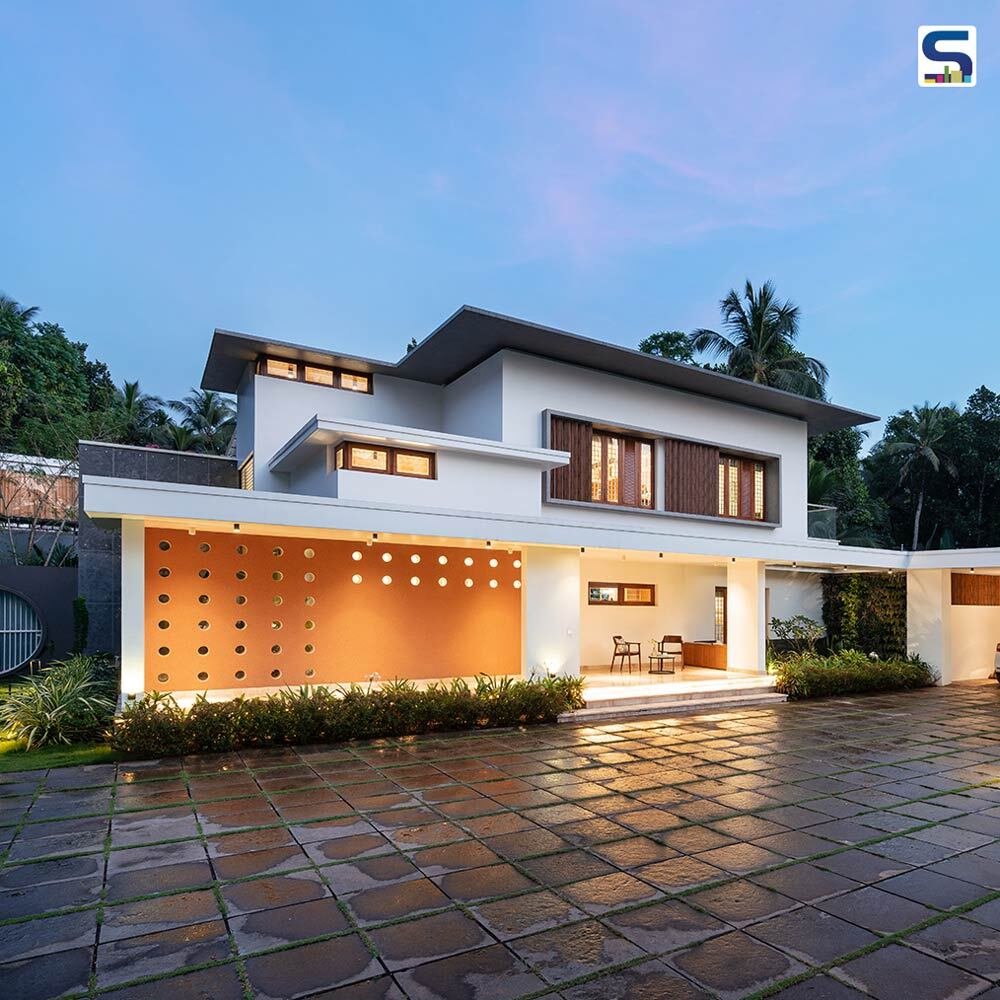
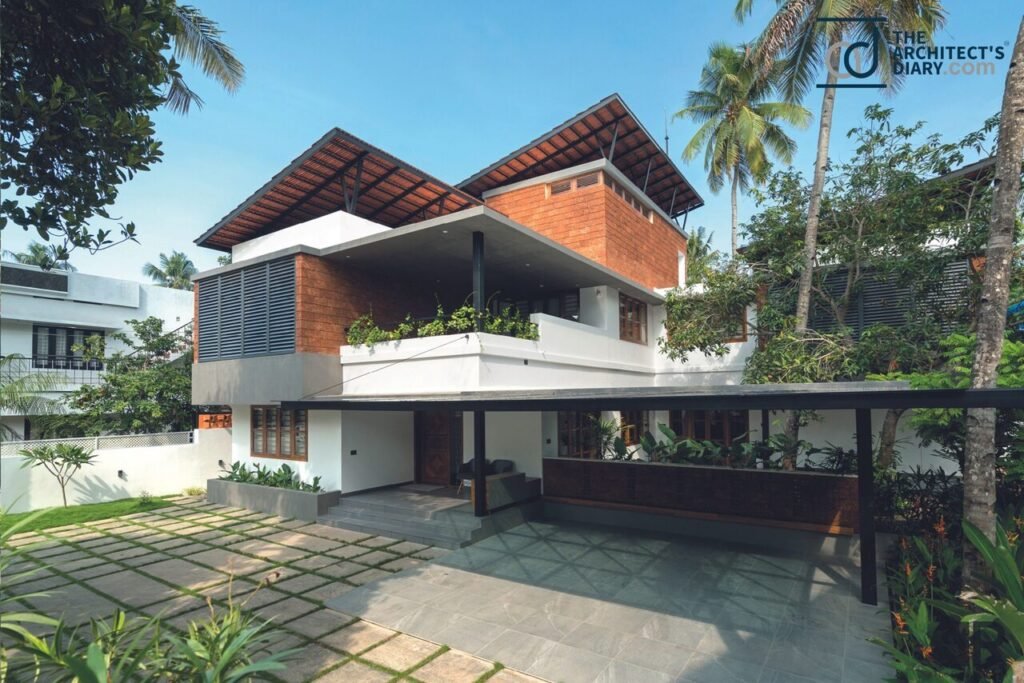
Kerala’s heat, humidity, and heavy monsoon rainfall should shape your design decisions as much as aesthetics do. Deep roof overhangs protect walls from driving rain and reduce heat gain. Cross-ventilation — windows positioned to let air move through the house — cuts down on how much you’ll rely on air conditioning. Orientation relative to the sun affects how hot upper floors get in the afternoon. None of this limits how the house looks; it just needs to be part of the design conversation from the start, not adjusted for afterward.
5. Choose a team, not just a contractor
The single biggest source of stress in first-time builds isn’t usually money — it’s coordination. When your architect, structural consultant, contractor, and interior team aren’t talking to each other, you end up being the one who relays information between them, catches conflicts, and absorbs the delays when something falls through the gap. A team that handles consultation, construction, and interiors together — or that at least communicates as one — removes that burden from you and puts it back where it belongs.
Building your first home is a big decision — you don’t have to figure out plot, permits, and budget on your own. Reach out for an honest first conversation.