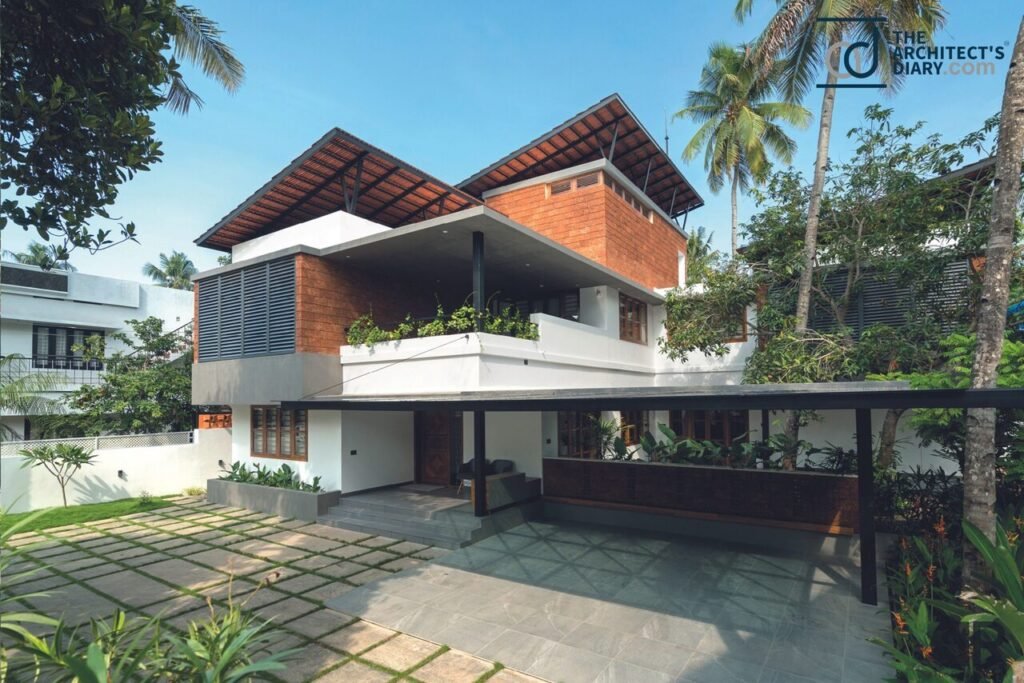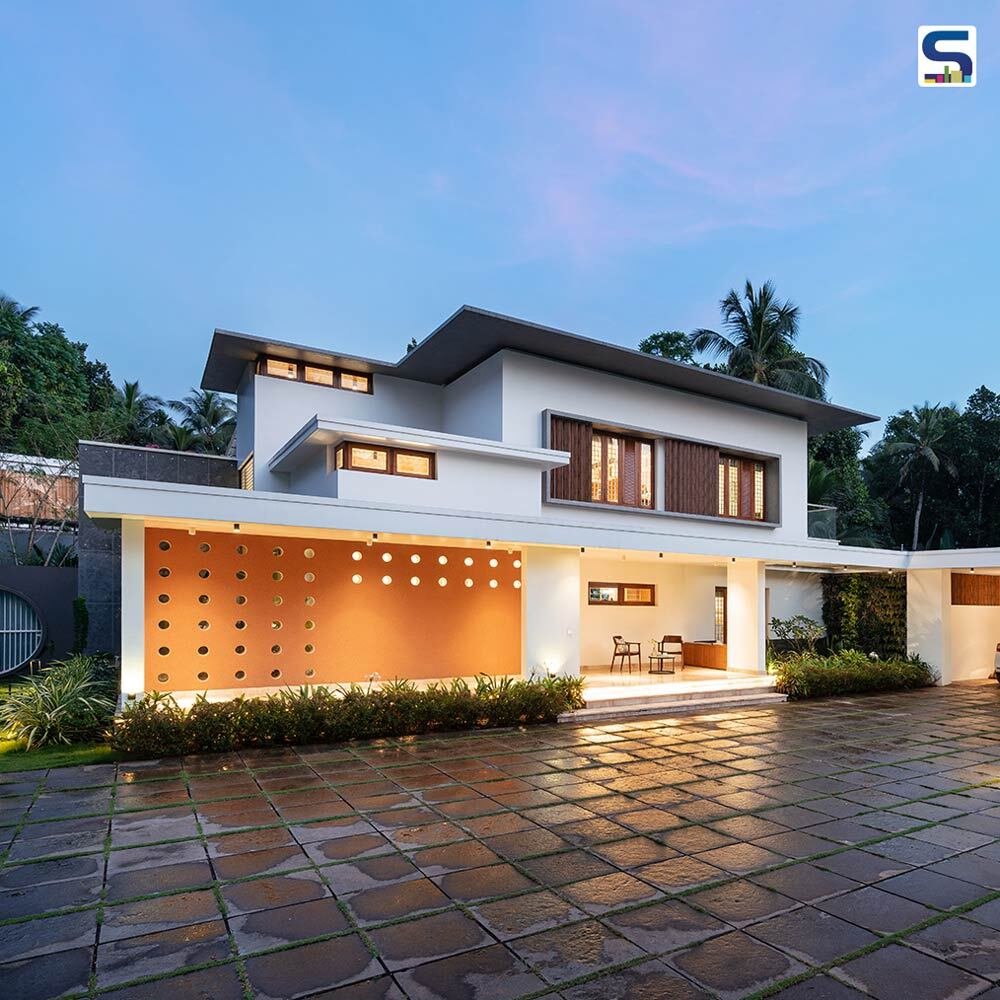
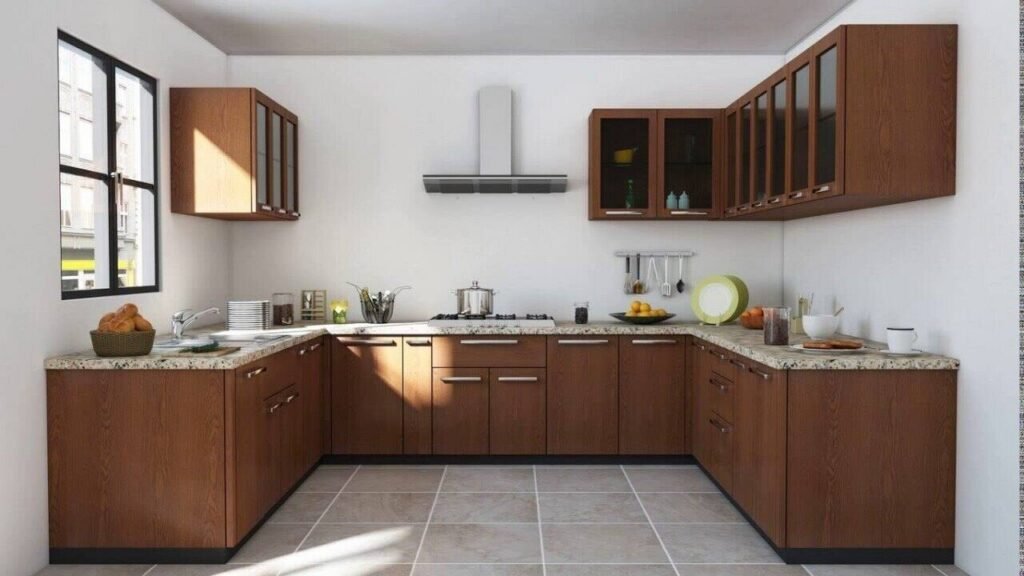
Kerala’s relationship with wood runs deep — teak ceilings in old tharavadu homes, carved rosewood doors, the open courtyards of a traditional nalukettu. Walk into most new homes today, though, and you’ll find clean lines, neutral palettes, and very little wood beyond the flooring. The two don’t have to be opposites. Done well, traditional Kerala woodwork doesn’t compete with a modern interior — it grounds it, giving a home warmth and character that pure minimalism often lacks.
Why traditional woodwork still holds up
This isn’t nostalgia for its own sake. Well-seasoned teak and other traditional hardwoods used in Kerala construction are genuinely durable in this climate — they handle humidity better than a lot of modern alternatives, age into a richer finish rather than degrading, and carry a level of craftsmanship that’s difficult to replicate in mass-produced furniture. The instinct to reach for teak wasn’t just tradition — it was practical, and it still is.
Where to blend, not replace
The homes that get this right almost never go all-in on either style. They use traditional woodwork as a set of deliberate accents against an otherwise modern, uncluttered space. A few places this works especially well:
- A carved or lattice (jali) feature wall
One traditional wood jali screen — as a room divider, a stair balustrade, or a backdrop behind a console — becomes the focal point of a room precisely because everything around it is simple. The contrast is what makes it work. - Statement doors and window frames
A single carved teak door at the entrance, kept against otherwise plain walls, reads as intentional rather than busy — and it’s usually the first thing visitors notice. - A courtyard or light well, reimagined
The traditional nadumuttam (central courtyard) doesn’t need to be recreated at full scale to bring its benefit into a modern layout — a smaller internal light well with wood detailing does similar work, bringing natural light and air into the centre of the home. - Furniture with traditional joinery, modern silhouettes
Locally crafted teak furniture with clean, simple forms — rather than heavily ornamented pieces — brings the material in without pulling the whole room toward a period look. - Flooring transitions
Pairing traditional Athangudi tiles or a wood inlay border with modern polished flooring in adjoining spaces marks a transition between zones — say, from a formal living area into a more casual family space — without a wall.
A few practical rules of thumb
- Pick one or two moments per room, not every surface — restraint is what keeps this from looking dated.
- Keep the surrounding palette neutral so the wood grain and carving detail stay the visual focus.
- Light it deliberately — a warm, angled light source across a carved surface brings out texture that flat overhead lighting flattens.
- Match wood tones across the room, even if the pieces are from different sources, so the blend reads as designed rather than mismatched.
How Modo Interiors approaches it
Our interior team treats traditional woodwork as a design tool, not a theme — brought in where it earns its place, working from local craftsmanship and materials suited to Kerala’s climate, and balanced against a contemporary layout so the finished home feels current rather than caught between two eras.
Curious what this could look like in your own home? Share a few reference photos and we’ll show you where traditional woodwork could genuinely add something.